There are several natural ways to reduce stress and ease anxiety. These include mindfulness practices, mind-body exercise, and creative expression.
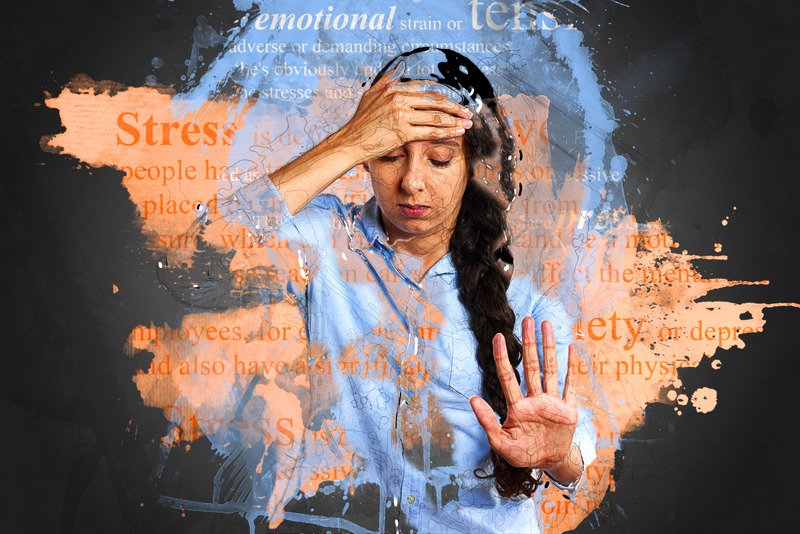 It can be debilitating to experience stress and anxiety on a daily basis. Addressing the cause helps to reduce stress and ease anxiety naturally, but many people need additional help to relieve symptoms of nervousness, edginess, panic and overwhelm.
Some people rely on their doctor’s support for medical treatment of anxiety; others go to a naturopath or health store for over the counter herbal remedies to ease stress and anxiety symptoms. And some have found relief with alternative treatment such as Chinese medicine and acupuncture, homeopathy, or energy healing. Fortunately, there are also several natural ways to reduce stress and ease anxiety on one’s own.
What Causes Stress and Anxiety
One natural way to reduce stress and ease anxiety is by addressing the cause. If a person is anxious because of approaching deadlines or too many tasks on their to-do list, it helps to “chunk” goals, dividing them into manageable steps. Some find it helpful to ask for support in accomplishing projects.
If caffeine is creating nervousness and symptoms of stress, reducing the amount of coffee, chocolate, and pop drinks can be beneficial. When negative and fearful thoughts dominate a person’s mind, it’s time to reduce stress by changing perspectives.
But when there is no obvious external or internal cause of stress and anxiety, finding natural ways to reduce symptoms may be the best answer. These approaches are also helpful to practice in addition to medical or alternative treatment.
Reduce Stress and Ease Anxiety Naturally
There are several techniques that help people to release tension and excess energy as well as calm the mind and relax the body. These include the following:
- Mindfulness practices
- Mind-body exercises
- Creative expression
Mindfulness practices such as meditation can calm the mind and help people realize they are bigger than their thoughts, sensations, and emotions. Doing an easy meditation of focusing on the breath for five or ten minutes a day builds a reservoir of peacefulness which can be carried throughout the day. Being mindful of the onset of stress symptoms or mounting anxiety can prevent them from escalating into full-blown panic attacks. The next time feelings of anxiousness or tension begin, move into the present moment and focus on breathing. Breathe in relaxation and breathe out stress.
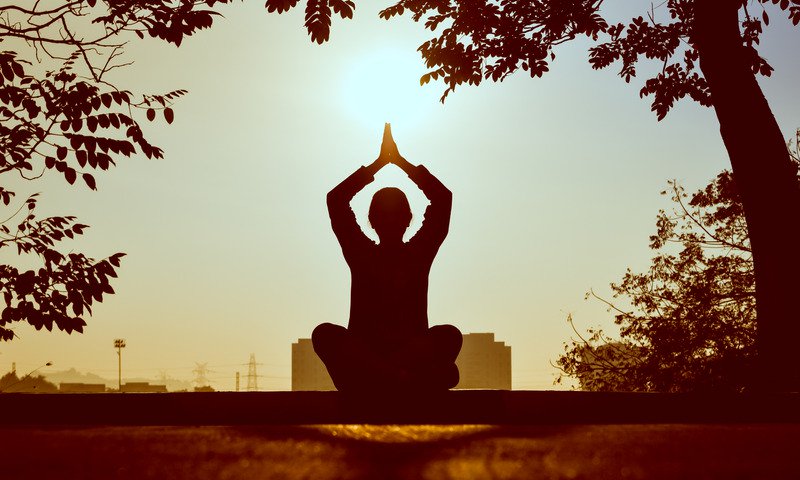 Mind-body exercises help individuals to connect and balance the mind and body. These include yoga, Tai chi, and martial arts practices. Activity that helps a person to center within and ground the body while doing movement can be calming and soothing to the mind and body. These exercises naturally reduce stress and anxiety by bringing people into the present moment and out of the past and future. Even a simple activity of going for a walk in nature and being completely present with all the sights, sounds and sensations will bring the mind and body into balance. Explore various mind-body exercises to find one that’s suitable.
Creative expression is a wonderful way to release built-up tension and energy while connecting to inner joy and creativity at the same time. Anxiety is sometimes viewed as a build-up of energy and nervousness, so finding a way to express this through dance, writing, painting, sculpting, singing or playing a musical instrument can be helpful. Taking a break from stressful work demands to express creativity is also a way to nurture and honor oneself. It can be beneficial to explore different fun and creative outlets for self-expression and relaxation on a daily basis.
Addressing the cause along with implementing natural ways to reduce stress and anxiety can empower people to create a peaceful, balanced life. Find what works for you and make it a regular part of your daily routine.
