
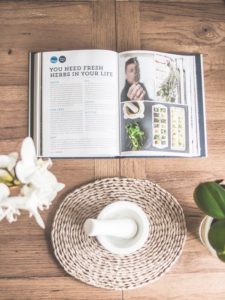
 Cook’s House is a new cookbook, by the chefs Jennifer Blakeslee and Eric Patterson. This book is offering a vast selection of recipes and menus that are completely from nature, offering rich spiritual life, with the purpose of nourishing the body and the soul. Patterson and Blakeslee are partners in a small bistro in northern Michigan. They are believing that the preparation of the food must have seasonal variety and ripeness.
Cooks’ House is not an ordinary recipe collection. It is showing a new way of living through cooking. Cooking is a lot more than simply cutting and mixing the ingredients in a bowl. True cooking is when we try to listen on the season rhythms and live life at its fullest while finding meaning and truth.
