
If you’re the sort of person who loves great quality, unique and authentic tasting food, then a pizza oven is ideal for you. These cooking devices are great for quickly rustling up your favourite pizzas for you to share with your friends and family; and when you cook food in this way, the taste is fairly distinctive. Let’s take a closer look at the benefits of using a pizza oven and how this can enhance the taste of your food.
There are different types of designs for pizza ovens, some of them use cooking techniques that have dated back centuries. These ovens can reach very high temperatures, meaning that once they have reached their required cooking heat (over 500 degrees Celsius in some cases) the pizza can actually be ready to eat in 60 seconds. Obviously in this instance you need to let the food cool down before you tuck in. As a result, you get a different and unique taste to your pizza compared to other forms of cooking such as a normal home oven.
Most pizza ovens will use bricks as part of their external structure. Within the oven, there will be a section where the heat is retained and a section where you will be able to place the pizza. Some designs are quite big, allowing you to accommodate for a large number of people. In this instance you can cook a decent sized pizza or two smaller pizzas for your guests, depending on what toppings they feel like eating.
Ovens of this nature can take up to an hour to heat up; although once they are ready, they can retain the heat within the oven for up to four hours. Therefore, should you want to cook more food as the evening progresses, or more guests arrive to your party, you don’t have to worry about preparing the oven again.
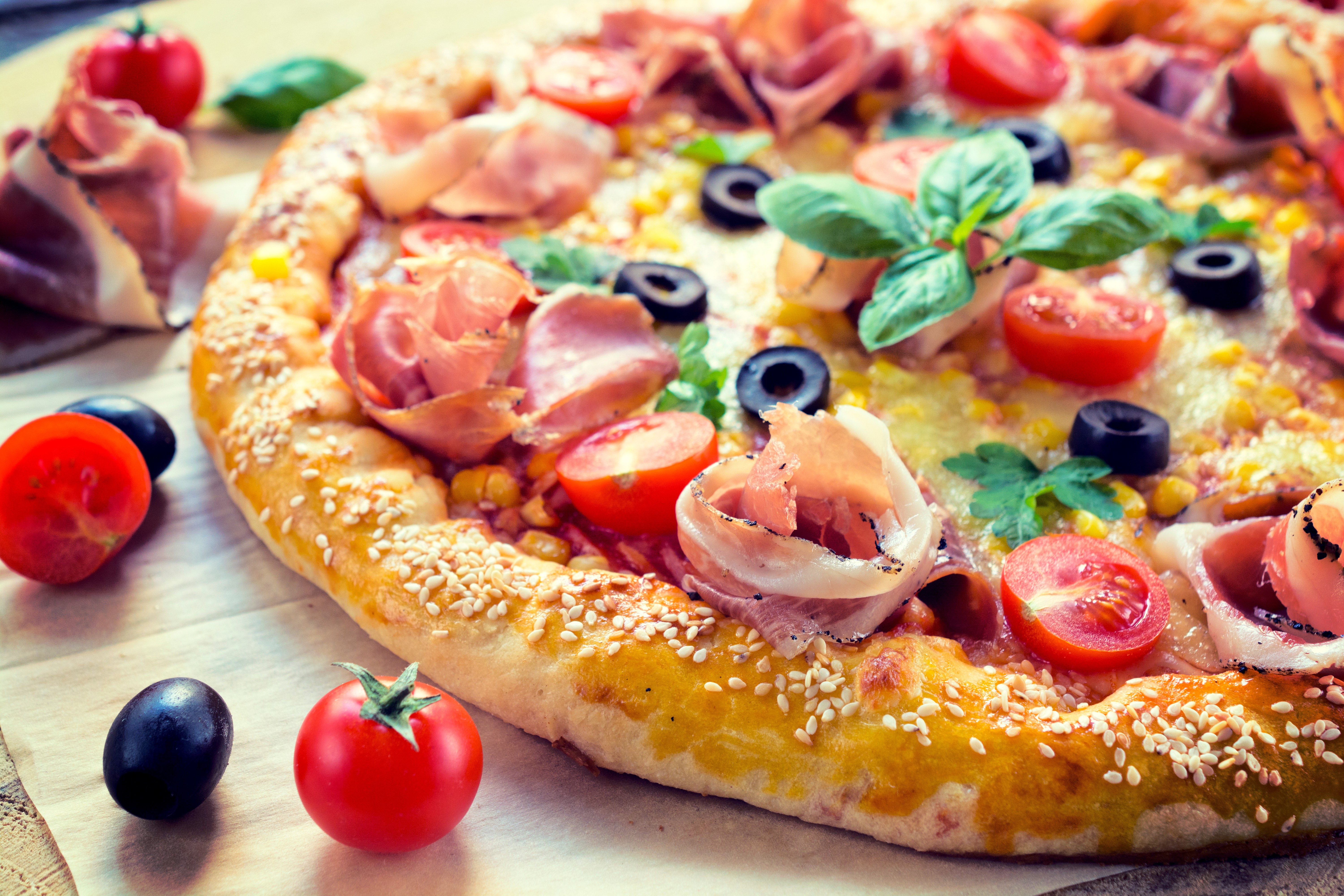
It doesn’t matter which toppings you decide to choose for your pizza either as they will cook nicely in a pizza oven. So whether it’s bacon, sausage, chicken, Parma ham, peperoni, or just plain cheese and tomato, you can enjoy a range of toppings and keep everyone happy.
Depending on the pizza oven you purchase you may have additional space to store your food when preparing to cook as well as space for the logs that you will use for the fire. Some designs also feature a plate warming shelf, so that once the pizza has cooled down you can still retain the heat and enjoy your meal. As mentioned, the oven can reach very high temperatures, so make sure you buy oven tools to prevent burning yourself when putting the pizza in the oven and taking it back out too.
If you are looking for a unique and quality tasting food that you can quickly prepare for yourself, your family and your guests, then a pizza oven is an ideal choice for your cooking needs. To check the best options available, click here.
